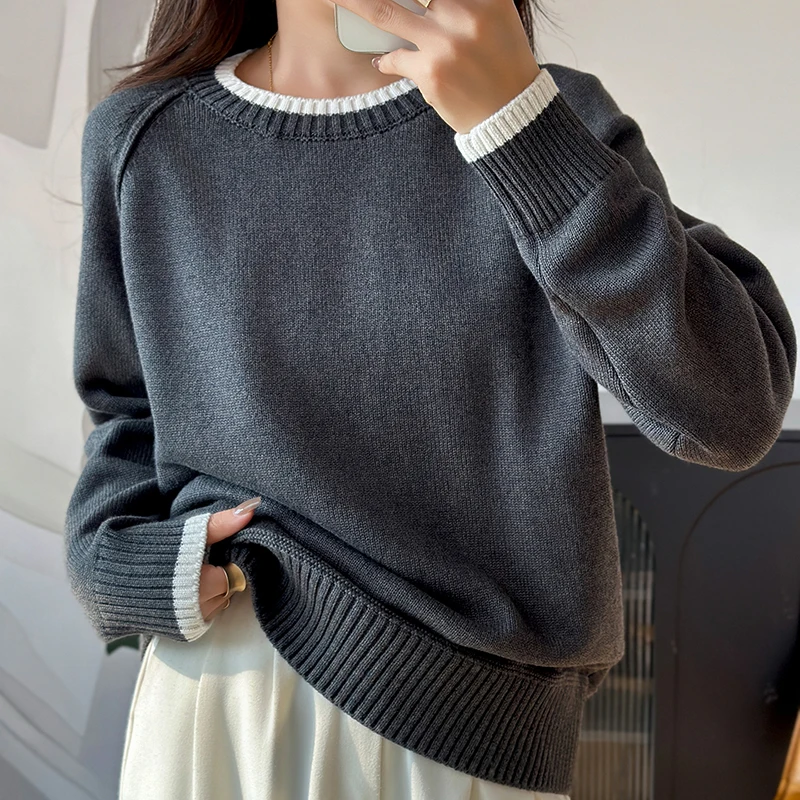
Cotton clothing remains a trusted choice for everyday wardrobes because it combines comfort, breathability, versatility, and timeless style. From lightweight summer shirts to durable denim and warm flannel, cotton can be woven into many textures and weights. This guide explains the main benefits of cotton clothing, the most popular cotton fabrics, how to choose quality garments, and the best ways to care for them.
Why Choose Cotton Clothing?
Cotton fibers are naturally soft, making cotton garments comfortable against the skin. The fabric usually allows air to circulate and can absorb moisture, which makes it useful for everyday wear, relaxed activities, and warm-weather outfits. Cotton is also easy to style: a basic T-shirt can be dressed up with a blazer, while a cotton jacket can add structure to a casual look.
Popular Types of Cotton Fabric
Different weaving and finishing methods create cotton fabrics with distinct appearances and performance.
- Jersey cotton: A soft, flexible knit used for T-shirts, dresses, underwear, and loungewear.
- Poplin: A smooth, tightly woven fabric suited to shirts, blouses, and summer dresses.
- Denim: A durable twill fabric commonly used for jeans, jackets, skirts, and workwear.
- Flannel: A brushed cotton fabric that provides a warm, soft feel for shirts, pajamas, and cold-weather layers.
- Canvas: A heavy, strong cotton fabric used for jackets, trousers, bags, and utility clothing.
- Voile and muslin: Lightweight cotton fabrics suitable for warm-weather garments and delicate layers.
Benefits of Wearing Cotton Clothes
Comfort for Everyday Wear
Cotton feels soft and natural during long days. It is available in loose, relaxed, fitted, and structured designs, so you can select a cut that matches your activities and personal style.
Breathability and Moisture Absorption
Cotton can absorb perspiration and feel comfortable in warm environments. However, it may stay damp longer than performance fabrics, so quick-drying materials can be more suitable for intense exercise, heavy rain, or activities that require rapid moisture management.
Versatile Personal Style
Cotton can look minimalist, elegant, sporty, rustic, or professional depending on the garment and styling. Neutral cotton basics create a reliable wardrobe foundation, while prints, colors, embroidery, and textured fabrics add personality.
Durability and Long-Term Value
Well-made cotton clothing can last for years with proper care. Strong weaves such as denim and canvas are designed for frequent wear, while lighter cotton fabrics need gentler treatment. Checking seams, hems, buttons, zippers, and pockets can help you identify better construction before buying.
How to Choose Quality Cotton Clothing
Read the fiber label to determine whether a garment is made from 100% cotton or a cotton blend. Blended fabrics may offer extra stretch, improved shape retention, or faster drying. The best option depends on how and where you plan to wear the item.
Pay attention to the fabric surface, stitching, and overall construction. Straight seams, neat hems, secure buttons, and strong zippers are useful signs of careful manufacturing. Also check the garment measurements and care instructions, because cotton can shrink or change shape if washed or dried incorrectly.
Cotton Clothing for Every Season
Lightweight cotton shirts, shorts, skirts, and dresses are popular in warm weather because they support breathable outfits. In autumn, cotton overshirts, corduroy trousers, and denim jackets make practical layers. During winter, heavier flannel, canvas, and fleece-lined cotton pieces can be combined with wool or thermal garments for added warmth. Spring works well with cotton cardigans, button-down shirts, lightweight jackets, and casual trousers.
How to Care for Cotton Clothes
Always check the care label first, since dyes, finishes, and fabric constructions may require different treatment.
- Wash thoughtfully: Use the recommended water temperature and wash cotton only when necessary to reduce wear.
- Separate colors: Keep dark, bright, and light garments apart when possible, especially during the first washes.
- Choose a gentle cycle: Use a suitable detergent and wash setting to help protect fibers, seams, and prints.
- Limit high heat: Excessive heat can shrink cotton and weaken fibers. Air-dry when practical and follow the label instructions.
- Remove clothing promptly: Taking garments out of the washer soon after the cycle ends can reduce wrinkles and musty odors.
- Store garments when fully dry: Keep cotton clothing in a clean, dry place away from prolonged direct sunlight.
Iron cotton at the recommended temperature if needed. Steaming can also help remove wrinkles while applying less direct pressure to the fabric.
Cotton and Sustainable Fashion
Cotton is a natural, biodegradable fiber, but not every cotton garment has the same environmental impact. Growing, processing, dyeing, transporting, and washing clothing all require resources. A more responsible approach is to buy fewer, better-made garments that you will wear regularly and keep for a long time.
When available, review information about sourcing and production. Organic cotton follows organic agricultural standards, while recycled cotton gives existing textile fibers another use. Certifications and transparent brand information can support better comparisons, but quality, durability, and actual use should also guide purchasing decisions.
Extending the life of clothing is another practical step. Repair small holes, replace missing buttons, donate clean garments, consider secondhand options, wash with cooler water, and avoid unnecessary tumble drying.
Building a Cotton Wardrobe
A useful cotton wardrobe does not need to be large. Start with versatile basics such as a well-fitting T-shirt, a button-down shirt, comfortable trousers, a casual dress or skirt, and a lightweight jacket. Choose colors that coordinate so each item can create several outfits.
Then add pieces that express your personality, such as a printed shirt, embroidered top, denim overshirt, or colorful cotton scarf. Experiment with proportions and layers to create different looks from the same core garments.
Final Thoughts
Cotton clothing combines natural comfort with impressive versatility. It can be light or heavy, smooth or textured, casual or refined, making it suitable for nearly every wardrobe and season. By choosing quality fabrics, caring for garments correctly, and buying thoughtfully, you can enjoy cotton clothing for longer while building a comfortable, practical, and personal style.

About author